Why travel operations break inside generic CRM tools
Travel work is not a pipeline problem. It is a booking, service, supplier, and guest coordination problem that generic CRM setups distort.
Generic CRM structure fights real travel work
Travel agencies rarely fail because they lack another contact table. They fail because the operational shape of the work is wrong for the software.
Inside a real booking you need to understand:
- multiple services with different dates
- guest assignments and rooming logic
- supplier obligations and payments
- client-facing pricing and margin
- operational follow-up before and during travel
A generic CRM forces that into deals, notes, and custom fields. That approach looks flexible at first, but the cost compounds quickly.
The hidden cost is coordination debt
Once the structure is wrong, the team starts compensating with spreadsheets, side chats, duplicate records, and manual checks. That creates:
- fragmented booking truth
- weak operational visibility
- delayed handoffs between sales and ops
- unreliable reporting
Travel software should model the work directly
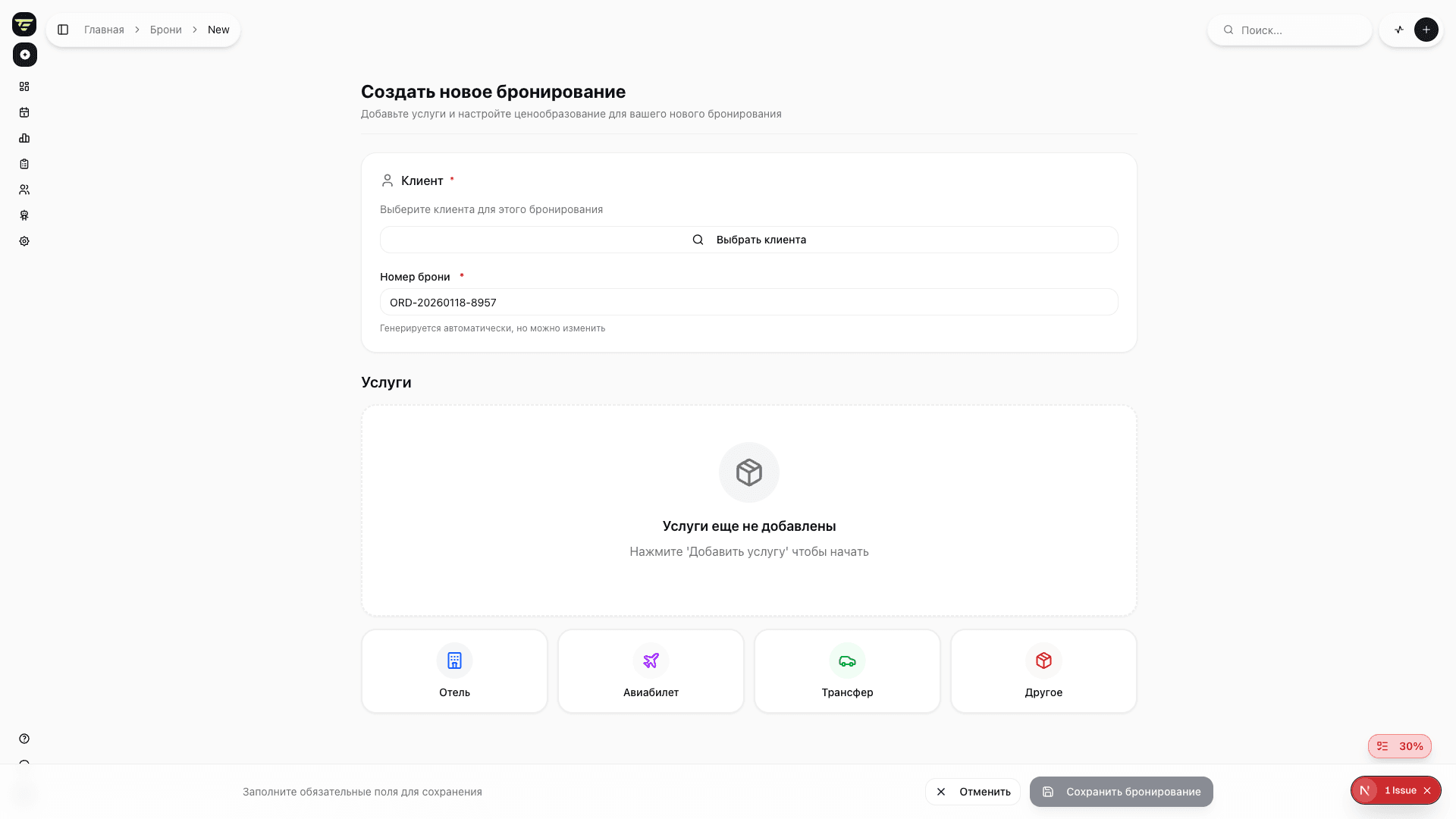
A travel-native system should let your team move through the workflow in a way that matches how agencies actually operate:
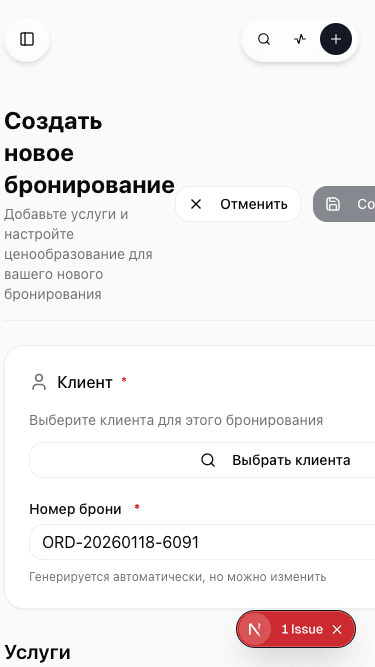
- create a booking
- add and shape services
- align guests, suppliers, and money
- keep execution visible until travel is complete
That is the problem TravelEngine is designed to solve.